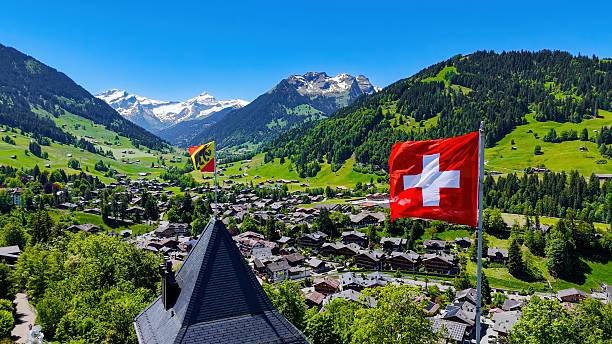
Why Switzerland Attracts Global Workers
Switzerland has long been recognized as one of the most prosperous and stable countries in the world. High salaries, excellent living standards, strong labor protection laws, and a well-developed economy have made the country an attractive destination for international workers. Every year, thousands of foreign workers seek employment opportunities in Switzerland in both skilled and unskilled sectors.
A wide range of industries such as finance, engineering, construction, hospitality, healthcare, and agriculture continue to experience workforce shortages. Because of this demand, employment opportunities are frequently opened to foreigners who possess the required qualifications or practical experience. Both skilled professionals and individuals seeking entry-level employment are welcomed in various sectors of the Swiss labor market.
Another major attraction is Switzerland’s competitive salary structure. Even basic entry-level jobs often provide wages that are significantly higher than those offered in many other European countries. In addition to high wages, strong social benefits, excellent healthcare systems, and safe communities are also enjoyed by workers living in Switzerland.
However, strict immigration policies are maintained by the Swiss government. Work permits, visa approvals, and employment sponsorships must typically be secured before foreign nationals can legally work in the country. Because of these regulations, it is important that international applicants understand the available job opportunities, requirements, and application procedures.
This guide has been designed to explain the most common skilled and unskilled jobs available in Switzerland, the salary expectations, the requirements for foreign applicants, and the steps that must be followed in order to apply successfully.
Overview of Switzerland’s Labor Market
Economic Strength and Employment Opportunities
Switzerland possesses one of the most advanced economies in the world. The country has consistently maintained low unemployment rates and strong economic stability. Major industries such as finance, pharmaceuticals, manufacturing, information technology, tourism, and engineering contribute significantly to the Swiss economy.
Due to the growth of these industries, many sectors have experienced labor shortages. As a result, employers often look beyond the domestic workforce and recruit international talent. Skilled professionals are particularly in demand in fields such as engineering, healthcare, and technology. However, unskilled or entry-level workers are also needed in industries like hospitality, agriculture, and construction.
Because Switzerland is not part of the European Union but maintains agreements with EU countries, hiring practices tend to prioritize Swiss citizens and EU nationals first. Nevertheless, when local workers cannot fill certain positions, employers are permitted to recruit workers from other countries.
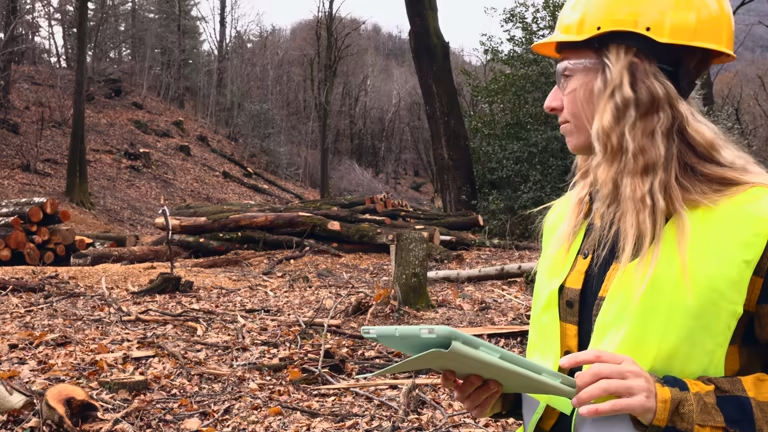
Employment Opportunities for Foreign Workers
Employment opportunities for foreigners are usually divided into two major categories:
- Skilled jobs
- Unskilled or entry-level jobs
Skilled jobs typically require university degrees, professional certifications, or specialized technical experience. On the other hand, unskilled jobs may require minimal formal education but practical experience and physical ability are often expected.
Foreign workers who are able to secure employment contracts may be sponsored for work permits by their employers. These permits allow them to legally live and work in Switzerland for a specific period of time.
Skilled Jobs Available in Switzerland
Technology and Information Technology Jobs
The technology sector in Switzerland has experienced rapid growth in recent years. Major tech hubs such as Zurich and Geneva have attracted global companies and startups. As a result, skilled IT professionals are constantly being recruited.
Common IT positions available include:
- Software developers
- Data scientists
- Cybersecurity specialists
- Cloud engineers
- Artificial intelligence specialists
- Network administrators
Salaries in this sector are often very competitive. Annual earnings between $90,000 and $140,000 are commonly offered depending on experience and specialization.
Healthcare Professionals
Healthcare professionals are also in high demand throughout Switzerland. Hospitals, medical research institutions, and elderly care facilities regularly recruit trained professionals from abroad.
Some of the most common healthcare roles include:
- Registered nurses
- Medical doctors
- Physiotherapists
- Laboratory technicians
- Medical researchers
Healthcare workers may earn between $80,000 and $150,000 annually depending on qualifications and experience. However, licensing requirements must usually be fulfilled before foreign professionals can practice in Switzerland.
Engineering and Technical Jobs
Engineering roles represent another major employment opportunity for skilled workers. Switzerland’s strong manufacturing and infrastructure sectors require qualified engineers across various disciplines.
Popular engineering positions include:
- Mechanical engineers
- Civil engineers
- Electrical engineers
- Automotive engineers
- Industrial engineers
Many engineering professionals earn between $95,000 and $130,000 annually. Because Switzerland hosts several international manufacturing companies, engineers are frequently recruited from around the world.
Finance and Banking Jobs
Switzerland has long been known as a global financial center. Major banking institutions, asset management firms, and financial consulting companies operate throughout the country.
Common finance-related positions include:
- Financial analysts
- Investment advisors
- Accountants
- Risk management specialists
- Compliance officers
Professionals working in finance may earn between $100,000 and $160,000 per year depending on their role and experience.
Unskilled Jobs Available in Switzerland
Hospitality and Tourism Jobs
Switzerland’s tourism industry is one of the largest employers of foreign workers. Hotels, resorts, restaurants, and ski resorts frequently recruit workers to fill entry-level positions.
Common hospitality roles include:
- Hotel cleaners
- Kitchen assistants
- Waiters and waitresses
- Hotel receptionists
- Resort maintenance staff
These jobs may offer salaries ranging between $35,000 and $50,000 annually. Many hospitality jobs also include accommodation and meals as part of the employment benefits.
Construction Labor Jobs
The construction industry in Switzerland is constantly expanding due to infrastructure development and housing projects. Because construction work is physically demanding, employers often recruit foreign workers to fill labor shortages.
Common construction roles include:
- Construction laborers
- Bricklayers
- Carpenters
- Plasterers
- Scaffolders
Workers in construction may earn between $45,000 and $65,000 per year depending on experience and the nature of the project.
Agricultural and Farm Jobs
Agriculture remains an important part of the Swiss economy. Farms often hire seasonal workers to assist with crop harvesting, livestock care, and dairy production.
Typical agricultural roles include:
- Farm workers
- Fruit pickers
- Dairy farm assistants
- Greenhouse workers
- Vineyard laborers
Agricultural workers may earn between $30,000 and $45,000 annually. Seasonal contracts are commonly offered in this sector.
Cleaning and Maintenance Jobs
Cleaning and maintenance jobs are widely available across cities, hotels, office buildings, and residential complexes. These jobs are often suitable for workers with limited formal education.
Typical positions include:
- Janitors
- Building cleaners
- Housekeeping staff
- Facility maintenance workers
Annual salaries in this field typically range between $32,000 and $45,000.
Average Salary Comparison of Skilled vs Unskilled Jobs in Switzerland
A clear difference can be observed between the salary ranges of skilled and unskilled jobs. The table below provides a general comparison.
| Job Category | Average Annual Salary | Experience Required |
|---|---|---|
| IT Specialist | $100,000 – $140,000 | High |
| Engineer | $95,000 – $130,000 | High |
| Healthcare Professional | $80,000 – $150,000 | High |
| Finance Professional | $100,000 – $160,000 | High |
| Construction Worker | $45,000 – $65,000 | Medium |
| Hospitality Worker | $35,000 – $50,000 | Low |
| Agricultural Worker | $30,000 – $45,000 | Low |
| Cleaning Staff | $32,000 – $45,000 | Low |
It can be observed that skilled workers generally earn significantly higher salaries due to the education, training, and professional expertise required for their roles.
Work Visa and Permit Types in Switzerland
Swiss L Permit (Short-Term Residence Permit)
The L Permit is usually issued to workers who have secured employment contracts lasting less than one year. Temporary or seasonal workers are often granted this permit.
Swiss B Permit (Residence Permit)
The B Permit allows foreign workers to live and work in Switzerland for longer periods. This permit is usually granted to individuals with long-term employment contracts.
Swiss C Permit (Permanent Residence)
The C Permit allows foreign residents to live permanently in Switzerland. However, this permit is typically granted after several years of residence.
Requirements for Foreign Workers in Switzerland
Educational Qualifications
Educational requirements vary depending on the type of job being applied for. Skilled positions generally require university degrees or specialized certifications.
For example:
- Engineers must possess engineering degrees.
- Healthcare professionals must have recognized medical qualifications.
- IT specialists must possess technical education or industry certifications.
Unskilled jobs may not require advanced education but basic training or prior work experience is often preferred.
Language Requirements
Switzerland has four official languages:
- German
- French
- Italian
- Romansh
In many workplaces, proficiency in at least one of these languages is expected. English is also widely used in multinational companies.

Work Experience
Work experience plays an important role in employment opportunities. Skilled positions often require several years of professional experience. Even entry-level jobs may require basic experience in related fields.
Step-by-Step Guide on How to Apply for Jobs in Switzerland
Step 1: Identify Suitable Job Opportunities
Job seekers should begin by researching industries that match their skills and qualifications. Job opportunities can be found through online job portals, company career pages, and recruitment agencies.
Step 2: Prepare a Swiss-Style Resume
Swiss employers typically expect professional resumes that clearly highlight education, skills, work experience, and certifications.
A well-structured CV should include:
- Personal details
- Educational background
- Work experience
- Language skills
- Professional references
Step 3: Apply Through Online Job Platforms
Many Swiss employers advertise job vacancies online. Applications are usually submitted through digital recruitment platforms.
Step 4: Attend Job Interviews
Once shortlisted, applicants may be invited to attend online or in-person interviews. Employers often evaluate communication skills, work experience, and professional knowledge during these interviews.
Step 5: Secure Employment Contract and Work Permit
After receiving a job offer, the employer will typically assist with the work permit application process. The Swiss authorities must approve the permit before the employee can begin working.
Cost of Living in Switzerland
Housing Costs
Housing is one of the most expensive aspects of living in Switzerland. Rent prices vary depending on the city and location.
Average monthly rent:
- Zurich: $1,800 – $2,800
- Geneva: $1,900 – $2,700
- Bern: $1,500 – $2,200
Shared apartments may be chosen by many foreign workers to reduce costs.
Food and Daily Expenses
Food prices are also relatively high compared to other countries. Groceries, transportation, and healthcare costs should be carefully planned before relocating.
Average monthly living expenses may range between $2,500 and $4,000 depending on lifestyle.
Benefits of Working in Switzerland
High Salaries
Workers in Switzerland are often paid some of the highest wages in Europe. Even entry-level jobs can provide strong financial stability.
Excellent Work-Life Balance
Swiss labor laws promote healthy work-life balance. Paid vacation days, flexible work schedules, and reasonable working hours are often offered.
Strong Social Security System
Workers are protected by comprehensive social benefits including healthcare coverage, pension systems, and unemployment insurance.
Challenges Foreign Workers May Face
Strict Immigration Rules
Switzerland maintains strict immigration policies. Work permits are limited and competition for jobs can be strong.
High Cost of Living
Although salaries are high, the cost of living can also be very expensive. Proper financial planning is essential.
Language Barriers
Language requirements may present challenges for some foreign workers, particularly in customer-facing roles.
Final Thoughts
Switzerland continues to be regarded as one of the most attractive countries for international employment. Skilled professionals are regularly recruited in sectors such as technology, healthcare, finance, and engineering. At the same time, unskilled workers are welcomed in industries such as hospitality, construction, agriculture, and cleaning services.
However, careful preparation is required before relocating. Work permits must be obtained, language requirements must be considered, and the high cost of living must be planned for.
With the right qualifications, proper job search strategies, and a well-prepared application, opportunities can be successfully secured in the Swiss labor market.
For many foreign workers, Switzerland offers not only employment opportunities but also a chance to build a stable and rewarding future in one of the world’s most prosperous countries.